A Masterplan; Shaped by Movement and Landscape
Hareket ve Peyzaj Tarafından Şekillenen Bir Masterplan
TR
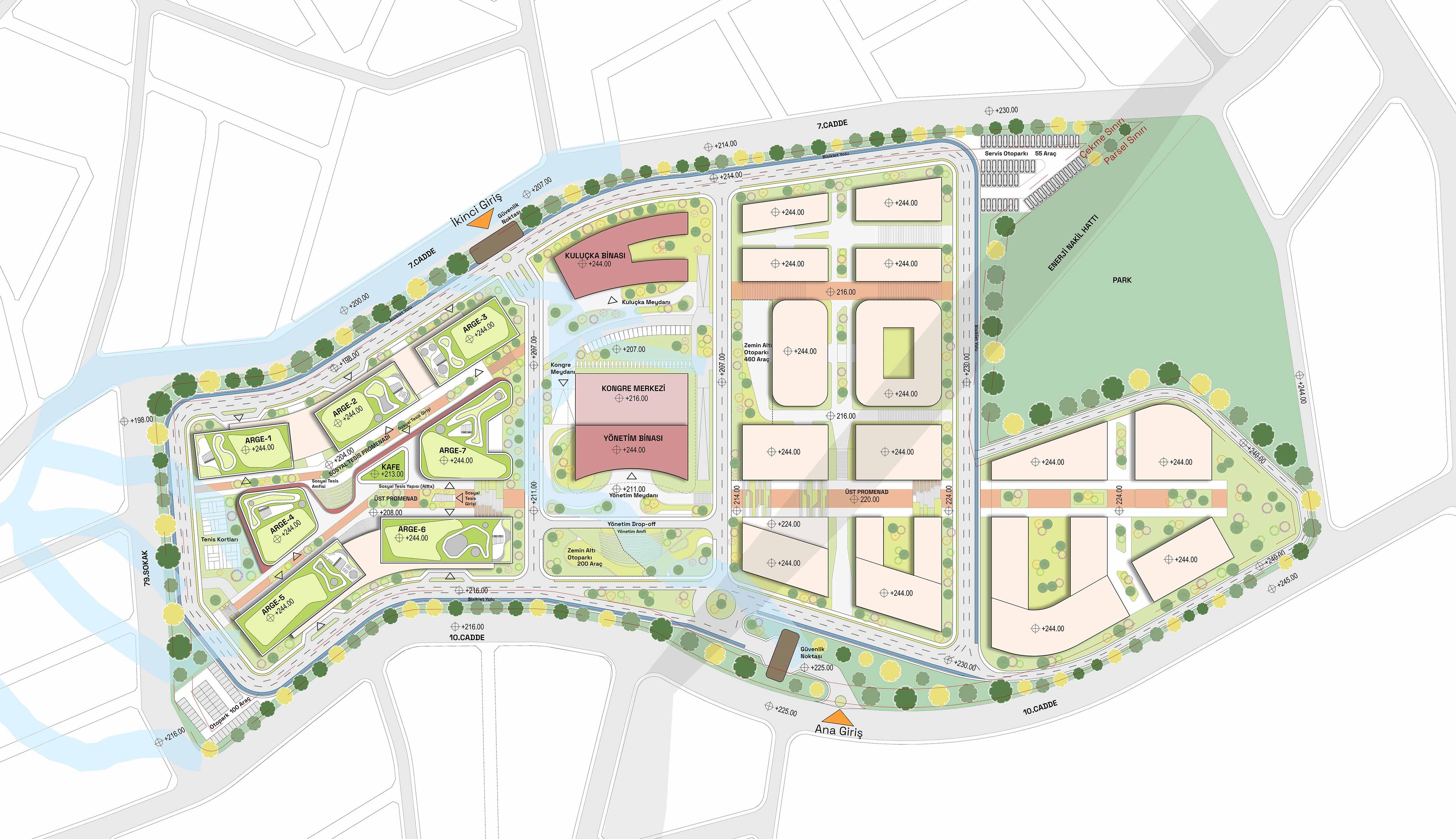
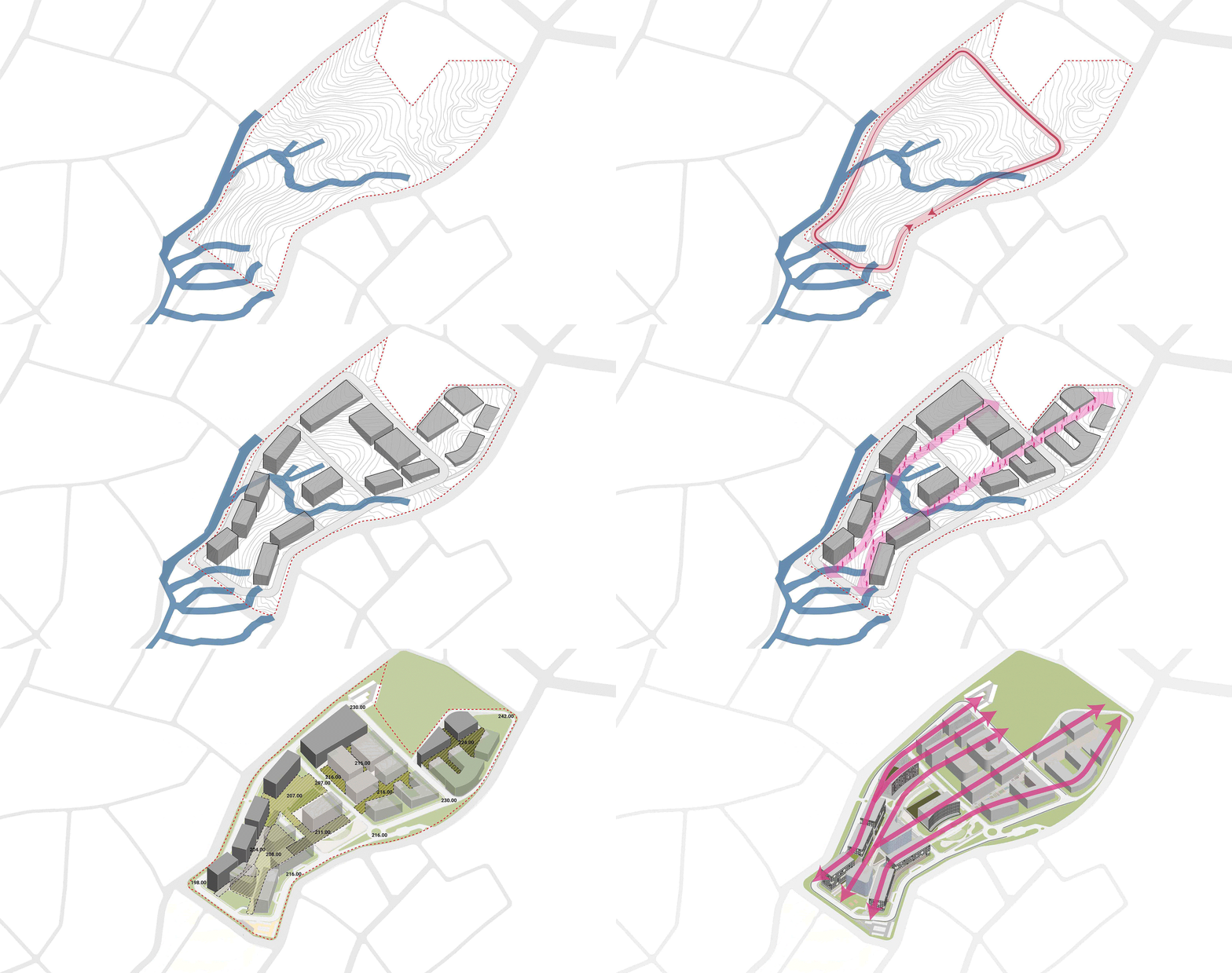
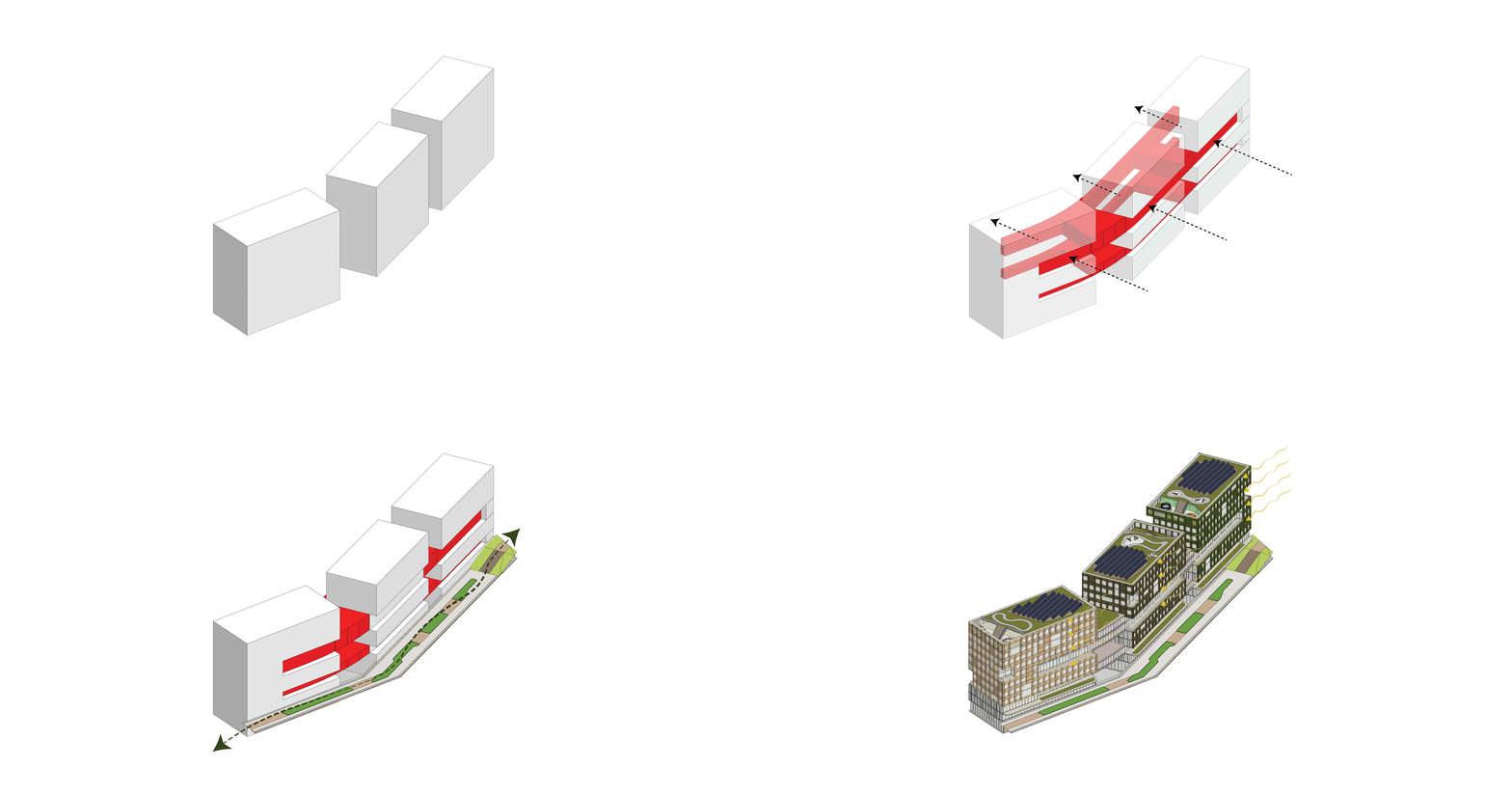
Proje alanı, Tuzla’nın kuzeyinde, Kuzey Marmara ve Anadolu Otoyolları arasında yer alan önemli bir gelişim bölgesinde konumlanmaktadır. Masterplan; topoğrafya, doğal su hareketleri ve mevcut altyapı verileri doğrultusunda üç etaplı bir gelişim modeli üzerinden kurgulanmıştır. Yer altı su hareketleri ve enerji nakil hattı gibi veriler doğrultusunda Faz-1’in batı bölümünde konumlandırılması, ekolojik ve teknik açıdan stratejik bir planlama kararı olarak ele alınmıştır.
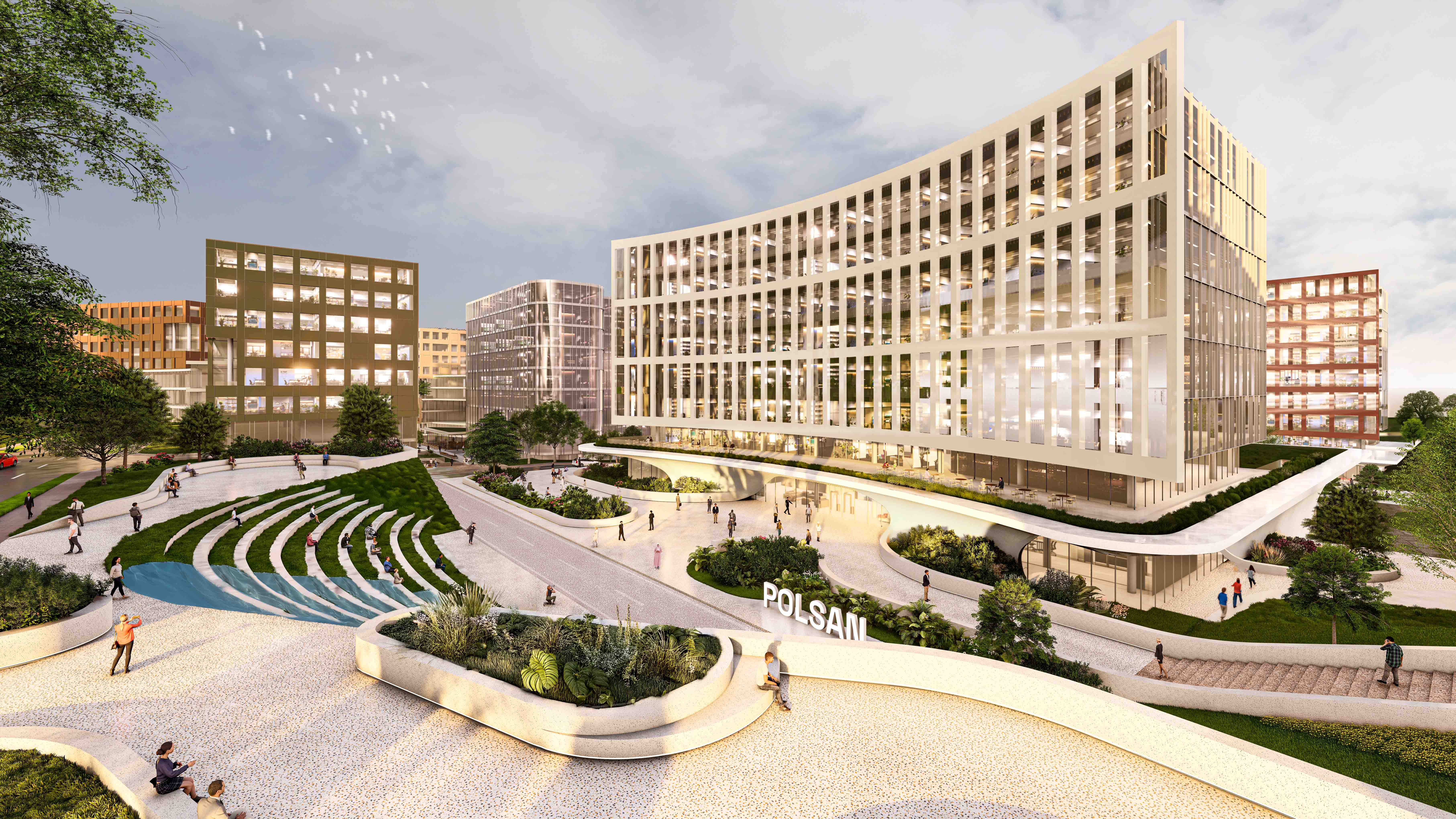
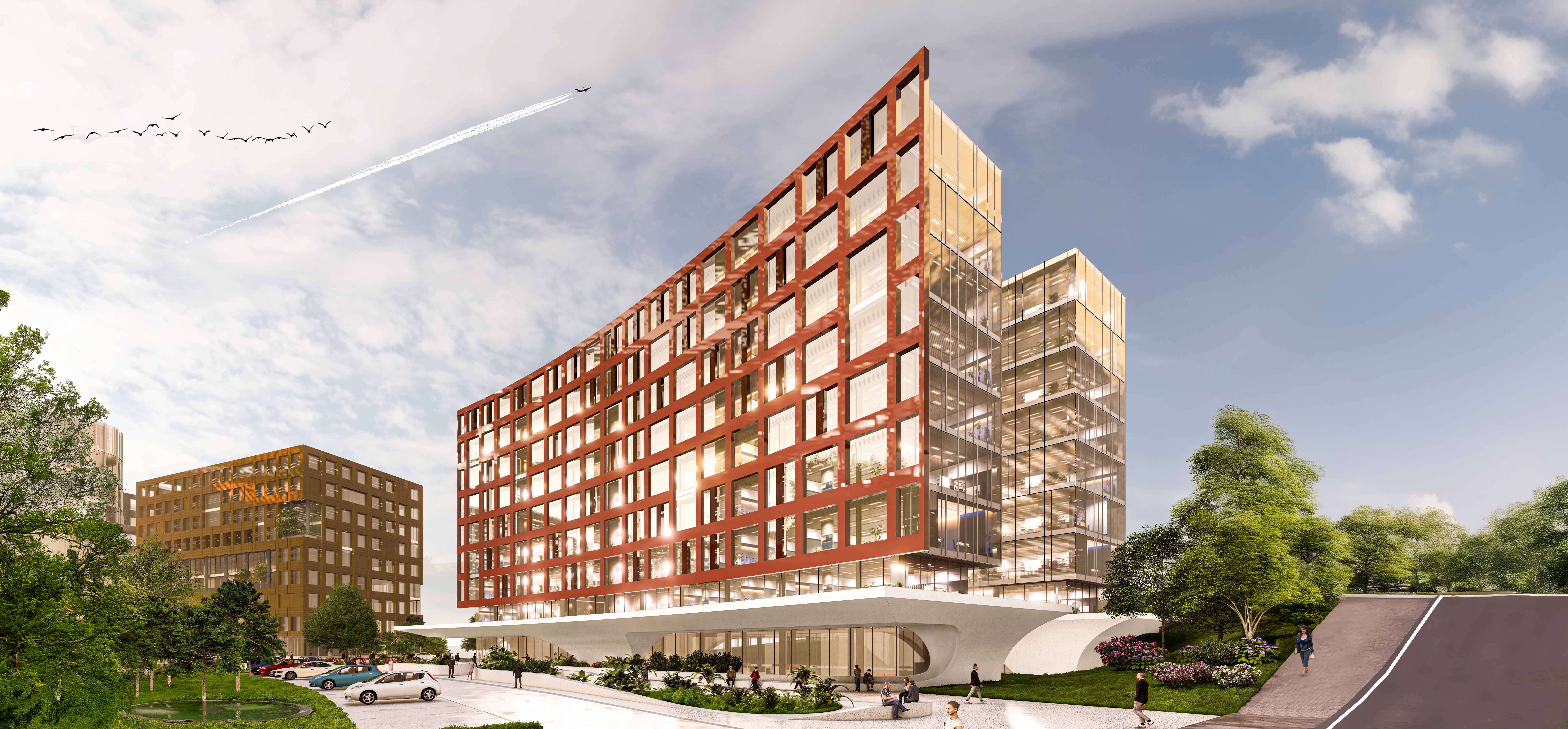
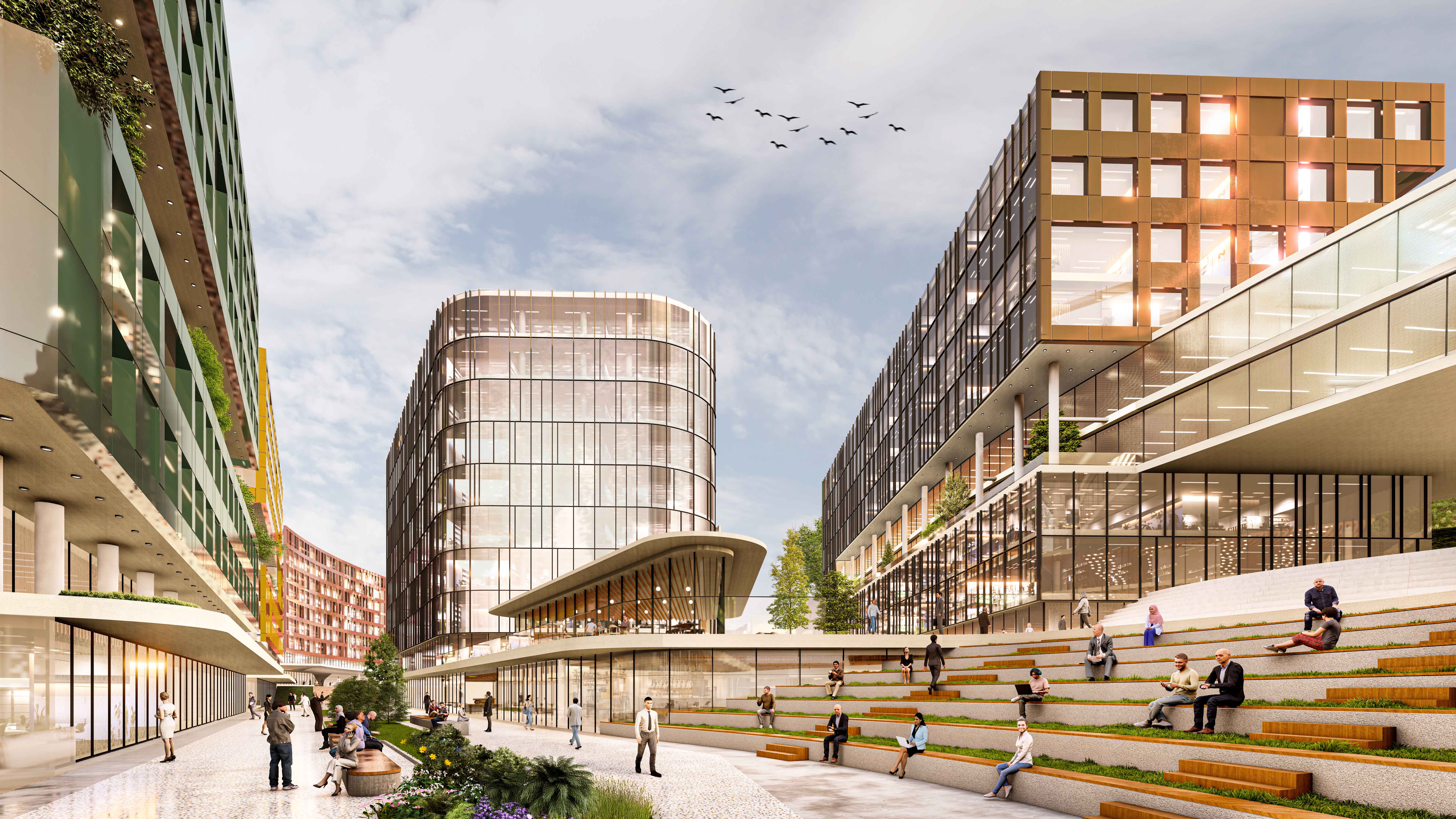
Bütüncül mekânsal kurgu ve akışkan dolaşım yapısı üzerine geliştirilen masterplan; yapı blokları, yeşil omurgalar ve kamusal açık alanlar arasında güçlü ilişkiler kurmaktadır. Merkezde konumlanan geniş peyzaj alanları, sosyal yaşamı destekleyen meydanlar ve yaya odaklı dolaşım sistemi ile kampüse güçlü bir dış mekân kimliği kazandırılmıştır.
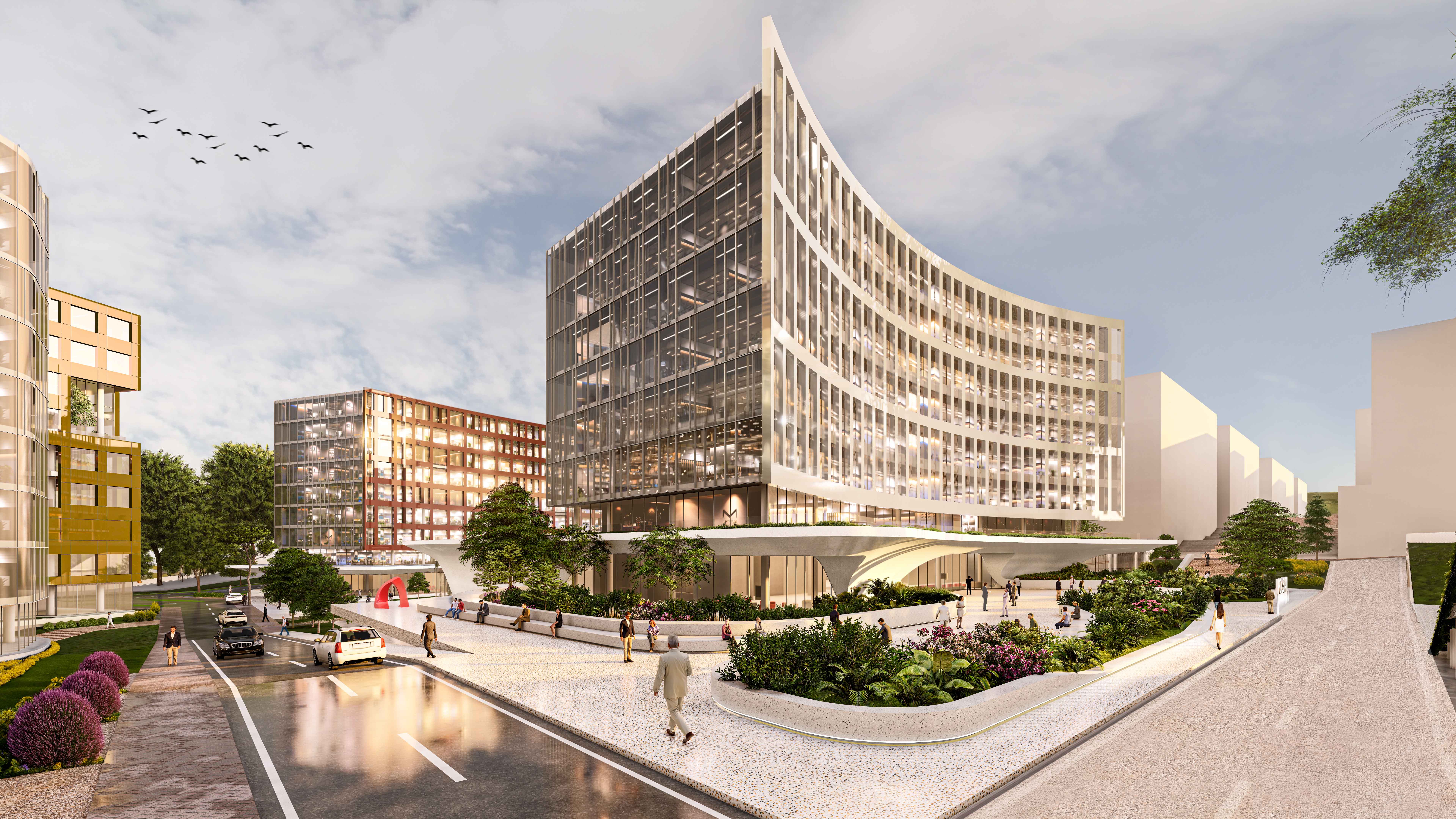
Ana ulaşım akslarının kesişiminde konumlanan Yönetim ve Kuluçka yapıları, kampüsün mekânsal odağını tanımlarken; Faz-1’de yer alan Ar-Ge yapıları ve açık alan düzenlemeleri, ilerleyen etaplara uzanan ekolojik ve sosyal sürekliliğin temelini oluşturmaktadır.
ENG
The project site is located in the northern part of Tuzla, within a significant development corridor situated between the Northern Marmara Motorway and the Anatolian Motorway. The masterplan has been developed through a three-phase growth model shaped by the site’s topography, natural water movements, and existing infrastructural conditions. In this framework, locating Phase-1 on the western side of the site was considered a strategic planning decision in ecological and technical terms, particularly in response to underground water dynamics and the presence of the energy transmission line.
Developed around a holistic spatial framework and a fluid circulation system, the masterplan establishes strong relationships between building clusters, green corridors, and public open spaces. Centrally located landscape areas, social plazas, and pedestrian-oriented circulation networks provide the campus with a strong open-space identity.
Positioned at the intersection of the main circulation axes, the Administration and Incubation buildings define the spatial focal point of the campus, while the R&D structures and open-space arrangements developed within Phase-1 establish the ecological and social continuity extending into the future phases.